Discovering mold on your prized leather golf bag can be disheartening, transforming its luxurious appeal into a fuzzy, discolored mess. As someone who has spent over a decade navigating the golf course and evaluating countless golf bags, I understand the frustration and the urgent need to restore your gear. This guide will walk you through a simple yet effective DIY process to banish mold from your leather golf bag, ensuring it looks and feels as good as new, ready for your next round.
Understanding Mold on Leather Golf Bags
Mold is more than just an unsightly blemish; it’s a living organism that thrives in specific conditions, feeding on organic materials like leather. Recognizing what causes mold and how it impacts your golf bag is the first step toward effective removal and long-term preservation.
Why Mold Forms on Leather
|
Our Picks for the Best Golf Bag in 2026
As an Amazon Associate I earn from qualifying purchases.
|
||
| Num | Product | Action |
|---|---|---|
| 1 | TaylorMade Pro Stand Bag, Lightweight, Ideal for Carrying or Push Cart |

|
| 2 | KVV Lightweight Golf Stand Bag with 7 Way Full-Length Dividers, 5 Zippered Pockets, Automatically Adjustable Dual Straps,Elegant Design |
|
| 3 | Titleist Players 4 Golf Bag |
|
| 4 | TaylorMade Pro Stand Bag, Lightweight, Ideal for Carrying or Push Cart |
|
| 5 | Golf Stand Bag - Lightweight Golf Bag with Stand and 7 Way Dividers, Dual Strap, Waterproof Pocket, Insulated Sleeve, Easy-Lift Handles and Swing-Cam Holder |
|
| 6 | Cart Golf Bag 15 Way Organizer Divider Top Golf Club Bags Lightweight Golf Cart Bags for Men Women with Cooler, Rain Cover |
|
| 7 | Findway 14 Way Golf Stand Bag, Lightweight Golf Bag with Stand for Men Women, Golf Club Carry Bag with Dual Strap, Rain Cover, Multiple Pockets, Golf Ball Holder |
|
| 8 | OGIO RIG 9800 Wheeled Suitcase (Stealth) |
|
| 9 | Sun Mountain Men's C130 Lightweight Cart Golf Bag 14-Way Top - 2025 Model |
|
| 10 | Himal Outdoors Golf Travel Bag - Heavy Duty 600D Polyester Oxford Wear-Resistant, Excellent Zipper Universal Size with Wheels, Soft-Sided Golf Club Travel Cover to Protect Clubs |
|
Leather, being a natural and porous material, readily absorbs moisture, creating an ideal breeding ground for mold spores. The primary culprits behind mold growth on your leather golf bag are excessive humidity, poor ventilation, and infrequent cleaning. Storing your bag in damp, enclosed spaces like basements, garages, or even tightly packed closets without adequate airflow can quickly lead to an unwelcome fungal bloom. Organic residues, such as sweat, dust, or dirt left on the leather, can also attract moisture and provide a food source for mold, accelerating its growth.
Mold vs. Repus: A Crucial Distinction
Sometimes, a white, powdery film on your leather bag might not be mold at all. This phenomenon, known as “repus,” is common in richly oiled, vegetable-tanned leathers. Repus occurs when natural oils and fats within the leather crystallize and surface, often due to significant temperature or humidity fluctuations. While mold typically appears as fuzzy green, black, or white patches accompanied by a distinct musty odor, repus is usually a fine, non-fuzzy white film that can often be buffed away with gentle warmth and a soft cloth. Knowing the difference is crucial to choosing the correct treatment.
The Dangers of Untreated Mold
Leaving mold untreated on your leather golf bag can lead to more than just cosmetic damage. As mold consumes the organic fibers of the leather, it can cause discoloration, unpleasant lingering odors, and, over time, irreversible structural damage. This includes weakening the leather, causing cracks, and diminishing its natural suppleness. Beyond the bag itself, prolonged exposure to mold can trigger respiratory issues, skin irritation, and other health problems for you, making prompt and thorough removal essential.
Essential Supplies for DIY Mold Removal
Before you begin the cleaning process, gather these items to ensure a safe and effective mold removal. Working in a well-ventilated area and wearing gloves are recommended to avoid inhaling mold spores or direct skin contact.
- Soft-bristled brush (like an old toothbrush or a suede brush)
- Clean, dry microfiber cloths (several)
- Small bowl or spray bottle
- White distilled vinegar
- Rubbing alcohol (isopropyl alcohol, 70% or higher)
- Distilled water
- Mild leather cleaner or a gentle pH-neutral soap (e.g., saddle soap, mild dish soap)
- Leather conditioner
- Breathable dust bag or old cotton pillowcase
- Silica gel packets or cedar blocks (for prevention)
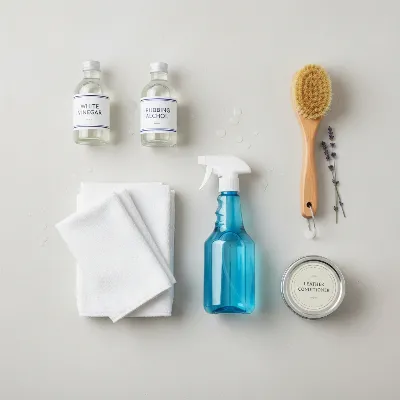 Essential supplies for DIY mold removal from a leather golf bag, including vinegar, alcohol, cloths, and brushes.
Step-by-Step Guide to Removing Mold from Your Leather Golf Bag
Follow these steps carefully to effectively remove mold and restore your leather golf bag without causing damage.
Step 1: Prepare Your Golf Bag and Workspace
First, completely empty your golf bag, removing all clubs, balls, tees, and any other accessories. It’s crucial to inspect the bag’s interior, including pockets and linings, as mold often lurks in hidden areas. Once empty, take the bag outdoors or to a well-ventilated space to prevent mold spores from spreading within your home. If cleaning indoors, open windows and ensure good air circulation.
Step 2: Brush Off Loose Mold
Using a soft-bristled brush or a dry microfiber cloth, gently brush away any visible, loose mold from the surface of your leather golf bag. Work with light, sweeping motions to avoid embedding spores deeper into the leather or scratching the surface. This initial dry cleaning removes the majority of the mold and prevents it from spreading during the wet cleaning process. After brushing, immediately clean your brush or cloth to avoid cross-contamination.
Step 3: Choose and Apply Your Cleaning Solution
You have a few effective options for cleaning solutions. Always test your chosen solution on an inconspicuous area of the bag (like the bottom or an inside flap) first to ensure it doesn’t cause discoloration or damage.
- White Vinegar Solution: Mix equal parts white distilled vinegar and distilled water in a small bowl or spray bottle. Vinegar is a natural antifungal agent that effectively kills mold spores.
- Rubbing Alcohol Solution (for stubborn mold): For more persistent mold, combine equal parts rubbing alcohol (70% or higher) and distilled water. Rubbing alcohol is a strong disinfectant. Use this with caution and ensure you test it first.
- Mild Leather Cleaner: Alternatively, you can use a commercially available pH-balanced leather cleaner designed for mold or general leather care. Follow the product’s instructions carefully.
Dampen a clean microfiber cloth with your chosen solution. The cloth should be damp, not soaking wet, as excessive moisture can damage leather. Gently wipe the moldy areas of the bag using small, circular motions. Do not scrub harshly. For interior linings, if applicable, you can use a solution of distilled water and a teaspoon of baking soda, dabbing gently without soaking the fabric.
Step 4: Wipe Away Residue
Once you have treated all affected areas, take a new, clean microfiber cloth lightly dampened with plain distilled water. Gently wipe the cleaned areas to remove any cleaning solution residue. This step is important to prevent any leftover solution from drying on the leather and potentially causing streaks or further issues.
Step 5: Thorough Drying
Proper drying is critical to prevent mold from returning and to protect your leather. Allow your golf bag to air dry completely in a well-ventilated area, away from direct sunlight or artificial heat sources like hair dryers or radiators. Direct sunlight, while it can kill mold, can also fade, dry out, and crack leather over time. Shade drying is ideal. To help the bag maintain its shape during drying, you can gently stuff it with clean, plain paper (avoid newspaper, as the ink can transfer). Ensure every part of the bag is thoroughly dry, which may take several hours or even a full day.
Step 6: Condition the Leather
After the bag is completely dry, apply a high-quality leather conditioner. Mold and the cleaning process can strip essential oils from the leather, leaving it dry and brittle. A good conditioner will replenish these oils, restoring the leather’s suppleness, shine, and natural moisture balance. Apply a thin layer with a clean cloth, rubbing it gently into the leather in circular motions, then buff lightly with another clean, dry cloth.
Step 7: Address Lingering Odors
If a musty odor persists, place a sachet of activated charcoal or an open container of baking soda (without direct contact with the leather) inside the golf bag. Seal the bag in a breathable dust cover or large paper bag and let it sit for 24-48 hours to absorb residual smells.
Advanced Tips & When to Call a Professional
Most superficial mold can be handled with the DIY methods described. However, some situations might require extra care.
Dealing with Stubborn Stains
For deeply embedded mold stains that don’t respond to the initial cleaning, a specialized leather stain remover might be necessary. Always choose a product specifically designed for leather and test it on an inconspicuous area first. Different types of leather, such as aniline or suede, require gentler approaches and specific products. While golf bags are typically made from more robust finished leather, checking your bag’s specific leather type can help guide your cleaning choices. Suede, for example, should not be wet-cleaned; a suede brush and eraser are more appropriate.
When to Seek Professional Help
If the mold infestation is extensive, covers a large area, has penetrated deep into the leather, or if you’re dealing with delicate or extremely valuable leather, consider consulting a professional leather cleaner or restorer. They have specialized tools and expertise to safely remove stubborn mold and restore leather without causing further damage.
Preventing Future Mold Growth
Prevention is always easier than cure when it comes to mold. By adopting a few simple habits, you can significantly reduce the risk of mold returning to your leather golf bag.
Proper Storage is Key
The way you store your golf bag is paramount to preventing mold.
- Cool, Dry, and Ventilated: Always store your leather golf bag in a cool, dry place with good air circulation. Avoid damp basements, humid garages, or tightly sealed closets.
- Breathable Covers: Use a breathable dust bag made of cotton or canvas (never plastic!) to protect your bag from dust while allowing air to circulate. A cotton pillowcase also works effectively.
- Moisture Absorbers: Place silica gel packets, cedar blocks, or other natural dehumidifiers inside your bag to absorb any excess moisture.
- Off the Floor: Avoid storing your bag directly on concrete floors or against damp walls, which can transfer moisture.
Regular Maintenance and Airing Out
Even if you don’t use your golf bag frequently, regular attention can prevent mold.
- Regular Cleaning: Wipe down your bag with a dry cloth periodically to remove dust and dirt.
- Condition Regularly: Apply leather conditioner every few months to keep the leather nourished and less susceptible to moisture absorption.
- Air it Out: If your bag has been stored for an extended period, take it out occasionally and air it in a shaded, well-ventilated area for a few hours.
Waterproofing and Immediate Care
Adding a layer of protection and acting quickly if your bag gets wet can make a big difference.
- Waterproof Spray/Wax Balm: Consider using a leather-safe waterproof spray or a wax balm, especially if you play in diverse weather conditions. This creates a barrier against moisture.
- Immediate Drying: If your golf bag gets wet from rain or dew, blot it gently with a soft, clean cloth immediately. Never rub the water in. Then, allow it to air dry completely in a well-ventilated area before storing it away.
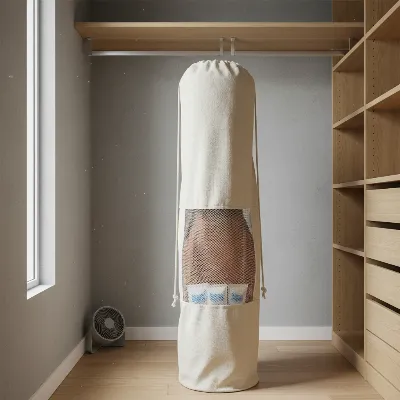 Proper storage for a leather golf bag to prevent mold growth, emphasizing ventilation and breathable covers.
Conclusion
A mold-free leather golf bag is not just about aesthetics; it’s about preserving a valuable investment and ensuring a pleasant experience on the course. By understanding the causes of mold and applying these simple yet effective DIY cleaning and prevention techniques, you can confidently restore your bag’s pristine condition and protect it for years to come. Remember, consistent care and proper storage are your best allies in the fight against mold. So, with your revitalized leather golf bag in hand, are you ready to hit the links with renewed confidence?
Frequently Asked Questions
What causes a white, powdery substance on my leather golf bag?
A white, powdery substance on your leather golf bag could be either mold or “repus.” Mold is typically fuzzy and often green, black, or white, thriving in humid, poorly ventilated conditions. Repus, on the other hand, is a crystalline residue of natural oils from the leather, usually appearing as a fine, non-fuzzy film due to temperature changes, and is common on richly oiled leathers.
Can I use bleach or harsh chemicals to remove mold from my leather golf bag?
No, you should never use bleach, ammonia, or other harsh chemicals on your leather golf bag. These substances are too aggressive for leather and can cause permanent damage, including discoloration, drying, cracking, and weakening of the material. Stick to diluted white vinegar, rubbing alcohol, or a specialized leather cleaner.
How do I remove the musty smell from my leather golf bag after cleaning mold?
To remove a persistent musty smell after cleaning mold, ensure the bag is completely dry. Then, place a sachet of activated charcoal or an open container of baking soda inside the bag (without direct contact with the leather). Seal the bag in a breathable container or dust bag for 24-48 hours to allow the odor absorbers to work their magic.
Is it safe to air dry my leather golf bag in direct sunlight after cleaning?
While sunlight can kill mold, direct exposure to strong sunlight is generally not recommended for drying leather. Intense UV rays and heat can cause the leather to fade, dry out, become brittle, and even crack. It’s best to air dry your leather golf bag in a well-ventilated, shaded area to protect the material while still ensuring thorough drying.
How often should I condition my leather golf bag to prevent mold?
To keep your leather golf bag supple and protected, it’s generally recommended to condition it every 2-3 months, or more frequently if you live in a very dry climate or use the bag often. Regular conditioning replenishes the leather’s natural oils, helping to prevent it from drying out and making it less susceptible to moisture absorption and subsequent mold growth.
