As someone who’s spent over a decade on the greens, testing and evaluating hundreds of models, I know a golf bag is far more than just a carrier for your clubs. It’s an investment, a reliable companion, and a critical piece of equipment that protects your valuable gear. Just like a well-oiled swing, proper golf bag maintenance ensures longevity, optimal performance, and a pristine appearance round after round. Neglecting it can lead to premature wear, persistent odors, and even damage to your clubs. Let’s dive into the practical, hands-on tips I’ve gathered from years of experience to help you keep your golf bag in top condition for seasons to come.
Understanding Your Golf Bag: Materials and Their Needs
Before you begin any maintenance, understanding the material of your golf bag is crucial, as each type has unique care requirements.
Nylon and Polyester Bags
|
Our Picks for the Best Golf Bag in 2026
As an Amazon Associate I earn from qualifying purchases.
|
||
| Num | Product | Action |
|---|---|---|
| 1 | Golf Stand Bag - Lightweight Golf Bag with Stand and 7 Way Dividers, Dual Strap, Waterproof Pocket, Insulated Sleeve, Easy-Lift Handles and Swing-Cam Holder |

|
| 2 | KVV Lightweight Golf Stand Bag with 7 Way Full-Length Dividers, 5 Zippered Pockets, Automatically Adjustable Dual Straps,Elegant Design |
|
| 3 | OGIO RIG 9800 Wheeled Suitcase (Stealth) |
|
| 4 | Findway 14 Way Golf Stand Bag, Lightweight Golf Bag with Stand for Men Women, Golf Club Carry Bag with Dual Strap, Rain Cover, Multiple Pockets, Golf Ball Holder |
|
| 5 | TaylorMade Pro Stand Bag, Lightweight, Ideal for Carrying or Push Cart |
|
| 6 | Cart Golf Bag 15 Way Organizer Divider Top Golf Club Bags Lightweight Golf Cart Bags for Men Women with Cooler, Rain Cover |
|
| 7 | Titleist Players 4 Golf Bag |
|
| 8 | Sun Mountain Men's C130 Lightweight Cart Golf Bag 14-Way Top - 2025 Model |
|
| 9 | Himal Outdoors Golf Travel Bag - Heavy Duty 600D Polyester Oxford Wear-Resistant, Excellent Zipper Universal Size with Wheels, Soft-Sided Golf Club Travel Cover to Protect Clubs |
|
| 10 | TaylorMade Pro Stand Bag, Lightweight, Ideal for Carrying or Push Cart |
|
These synthetic materials are popular for their lightweight nature, durability, and resistance to water. Nylon and polyester bags are generally low-maintenance, making them a favorite among golfers who prioritize practicality. They are resistant to mildew and chemicals, and hold color well, though prolonged sun exposure can cause fading over time.
Leather and Synthetic Leather (PU) Bags
Offering a more luxurious and professional aesthetic, leather and synthetic leather bags require a bit more attention. Real leather, while incredibly durable, needs regular conditioning to prevent drying and cracking. Synthetic leather, such as PU, provides a balance of style and practicality but is prone to cracking or peeling if not stored in a dry environment.
Hardware: Zippers, Straps, and Stands
Beyond the main body, the bag’s hardware—zippers, straps, handles, and stand mechanisms—also demands care. These components are constantly in use and susceptible to dirt, wear, and mechanical failure, which can hinder your bag’s functionality.
Day-to-Day Care: Simple Habits for Longevity
The secret to a long-lasting golf bag often lies in consistent, simple habits after each round. Integrating these quick steps into your routine can prevent minor issues from becoming major problems.
Emptying and Airing Out
After every round, the first thing I do is completely empty my bag. Remove all clubs, accessories, loose tees, balls, and any snacks or trash. This prevents unnecessary stress on pockets, keeps the interior tidy, and eliminates sources of moisture or food that could attract pests or foster mildew growth. Shake the bag vigorously to dislodge any trapped grass, sand, or debris from the pockets and main compartment.
Wiping Down After Each Round
Next, take a damp microfiber cloth and wipe down the entire exterior of your golf bag. Focus on removing dirt, grass clippings, and any surface moisture. Pay special attention to the handles and straps, where sweat and grime tend to build up. For minor scuffs or stubborn spots, a mild soap and water solution can be used. This quick wipe-down prevents stains from setting in and keeps your bag looking fresh.
Protecting from Elements
During play, be mindful of where you place your bag. Avoid leaving it directly on muddy, sandy, or excessively wet ground. Prolonged exposure to direct sunlight can fade the material of both synthetic and leather bags. If the weather turns, a rain cover is your best friend. It protects your clubs and the bag from soaking, which is critical for preventing mildew and maintaining the bag’s integrity.
Deep Cleaning Your Golf Bag: A Step-by-Step Guide
While daily care keeps things tidy, a deep clean a few times a season is essential for thorough maintenance. This comprehensive process tackles accumulated dirt, stains, and odors.
Removing Dirt and Debris
Start by emptying the bag completely and vacuuming all interior pockets and compartments using a brush attachment. This ensures all loose dirt, sand, and grass are removed before introducing any moisture. For zippers and seams, an old toothbrush can effectively dislodge grime that a vacuum might miss.
Washing Techniques
When it comes to washing, always use a mild cleaning solution. A mixture of lukewarm water and a small amount of mild dish soap or detergent is ideal. For tougher fabric stains, some experts recommend gall soap, known for its deep cleaning properties. Crucially, avoid harsh chemicals, bleach, or abrasive cleaners, as these can strip waterproof coatings, fade colors, or damage the material. Always test any cleaning solution on an inconspicuous area first to ensure it doesn’t cause discoloration.
For Nylon/Polyester Bags: Dip a soft-bristled brush, sponge, or microfiber cloth into your soapy water, wring out excess liquid, and gently scrub the exterior in small circular motions. Pay attention to areas with visible dirt or stains. Wipe down interior pocket linings with a damp cloth.
For Leather/Synthetic Leather Bags: Use a soft, damp cloth with a small amount of mild soap or a leather-specific cleaner. Gently wipe the surface; avoid soaking the material.
Drying Properly to Prevent Mildew
After cleaning, rinse the bag thoroughly with clean water, using a damp cloth or a gentle spray from a garden hose, ensuring no soap residue remains. Soap residue can attract dirt over time. Proper drying is perhaps the most critical step to prevent mold and mildew. Allow your bag to air dry completely in a cool, shaded, well-ventilated area. Never store a golf bag that is even slightly damp. Leave all pockets unzipped overnight to maximize airflow and prevent moisture traps. Avoid direct sunlight during drying, as it can cause fading, and steer clear of artificial heat sources, which can damage materials.
Addressing Stains and Odors
For persistent stains, you might need a dedicated stain remover for heavy-duty spots. For white or light-colored panels, a melamine sponge (like a “Magic Eraser”) can lift scuffs, but use it gently and sparingly, as it can be mildly abrasive. If your bag develops a musty odor, ensuring it’s completely dry is the first step. A mixture of equal parts white vinegar and water can be effective against lingering mold spores. Placing silica gel packets in the pockets during storage can also absorb excess moisture and prevent odors.
Maintaining Specific Golf Bag Components
Your golf bag is a sum of its parts, and each component benefits from targeted care.
Zippers and Fasteners
Zippers are often neglected but are essential for easy access to your gear. Regularly wipe them down to remove trapped dirt and grit. If they feel stiff or sticky, a zipper lubricant or even a graphite pencil rubbed along the teeth can restore smooth operation. Address any broken zippers promptly, as a small issue can quickly worsen.
Straps and Handles
The shoulder straps and handles endure significant stress. Inspect them regularly for signs of fraying, tears, or weakened stitching. Wipe them clean, especially the padded areas where sweat accumulates, to prevent material degradation. If your bag has detachable straps, consider washing or wiping them separately for a more thorough clean.
Stand Mechanisms
For stand bags, the legs and pivot mechanism need occasional inspection. Keep the moving parts clean of dirt and lubricate them lightly with a silicone spray to ensure smooth extension and retraction. This prevents stiffness and potential damage to the stand system.
Club Dividers
Club dividers, whether full-length or partial, can accumulate grass, dirt, and sand. During your deep clean, pay special attention to these areas, using a vacuum attachment or a damp cloth to clear out debris that could scratch your club shafts or grips.
Rain Hoods
Your rain hood is vital for protecting your clubs in wet conditions. Ensure it’s clean and completely dry before storing it, either attached to the bag or separately. This prevents mildew from forming and transferring to your clubs or bag.
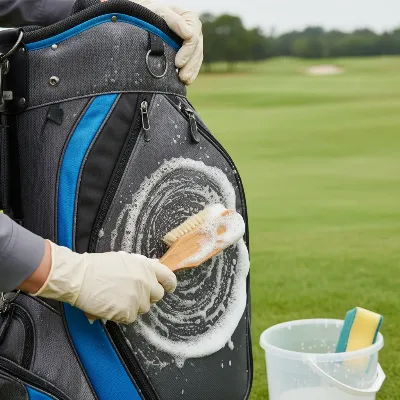 A person meticulously cleaning a golf bag with a soft brush and mild soap solution, outdoors in a shaded area, with clubs removed.
Proper Storage: Protecting Your Investment Off-Course
How you store your golf bag between rounds, and especially during the off-season, significantly impacts its lifespan and appearance.
Ideal Storage Conditions
The best place to store your golf bag is in a cool, dry, and well-ventilated area. A climate-controlled environment, ideally between 50-70°F (10-21°C), with controlled humidity, is perfect. Avoid hot garages, damp basements, or unventilated sheds, as extreme temperatures and moisture are primary culprits for material degradation, fading, and mold growth.
Storing for Short vs. Long Periods
For short-term storage, ensure your bag is empty and wiped down. For longer periods, such as off-season storage, a thorough deep clean and complete drying are paramount. Place silica gel packets in pockets to absorb any residual moisture, creating a less hospitable environment for mold. Leave zippers slightly open to allow for some air circulation, preventing musty odors.
Preventing Pests and Mold
Beyond cleaning and drying, take steps to deter pests. Don’t store your bag on bare concrete floors; use a rack, shelf, or even a piece of cardboard to elevate it. A breathable storage cover (not plastic, which can trap moisture and lead to condensation) will protect it from dust while allowing air to circulate. Regularly check your stored bag for any signs of mold or mildew, especially if it’s in a less-than-ideal environment.
Common Golf Bag Problems and How to Fix Them
Even with the best care, golf bags can encounter issues. Knowing how to address them can save you from a costly replacement.
Fading and Discoloration
Prevention is key here: limit direct sun exposure. If fading has occurred, for synthetic bags, some fabric dyes might help restore color, but proceed with caution and test thoroughly. For leather, a good leather conditioner can sometimes revive its appearance and protect against further damage.
Rips and Tears
Small rips and tears, particularly in fabric bags, can often be patched professionally or with a fabric repair kit. Addressing these early prevents them from expanding. Don’t wait until the damage is extensive and unfixable.
Sticky Zippers
As mentioned, cleaning out debris and applying a zipper lubricant or graphite can resolve most sticky zipper issues. If a zipper tooth is bent, careful manipulation with pliers might fix it, but for broken zippers, replacement by a professional is often the best solution.
Unpleasant Odors
A persistent odor usually indicates moisture or bacterial growth. A thorough deep clean, ensuring complete drying, and using an anti-bacterial spray or a white vinegar/water solution can help. Silica gel packs are also excellent for moisture absorption, which is key to eliminating odors. Regularly airing out your bag, especially after a wet round, is critical.
> “A golf bag is your silent caddie on the course. Treat it with respect, and it will serve you faithfully, protecting your tools and reflecting your dedication to the game.” – Chris Miller, Head Pro, ReviewCamSnow.com
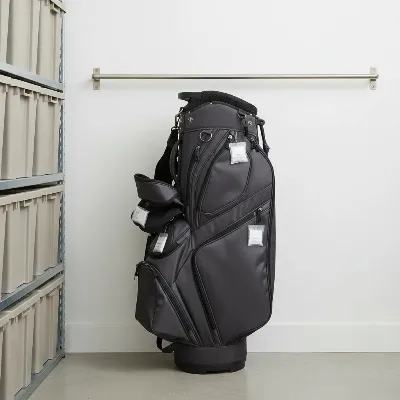 A well-organized golf bag stored upright in a clean, climate-controlled space, with silica gel packets visible in pockets.
Conclusion
Your golf bag is a vital part of your golfing journey, protecting your precious clubs and organizing your essentials. By committing to regular cleaning, paying attention to material-specific needs, and ensuring proper storage, you can significantly extend its lifespan and maintain its aesthetic appeal. These simple maintenance tips aren’t just about preserving gear; they’re about ensuring peace of mind on the course, knowing your equipment is always ready for your best game.
What small maintenance tip has made the biggest difference for your golf bag’s longevity?
Câu Hỏi Thường Gặp
How often should I deep clean my golf bag?
A deep clean is recommended every few months, or more frequently if you play often or in challenging conditions. This ensures the removal of accumulated dirt, prevents odors, and maintains the bag’s integrity, complementing your regular post-round wipe-downs.
Can I machine wash my golf bag?
It is generally not recommended to machine wash golf bags. The aggressive agitation can damage the bag’s structure, padding, waterproof coatings, and hardware. Hand washing with mild soap and water is a safer and more effective method for most golf bag materials.
What should I do if my golf bag gets wet during a round?
Immediately after a wet round, empty your bag completely, wipe down both the interior and exterior with a clean cloth, and then allow it to air dry thoroughly. Leave all pockets open in a cool, shaded, well-ventilated area to prevent mildew and odor formation.
How can I prevent my golf bag’s color from fading?
To prevent color fading, minimize prolonged exposure to direct sunlight. Store your golf bag in a shaded area when not in use, and consider using a breathable cover. For synthetic bags, some color-safe fabric protectors can also offer UV resistance.
Is it necessary to use a leather conditioner on my golf bag?
Yes, if your golf bag is made of real leather, regular conditioning (every 3-6 months) is essential. Leather conditioner helps keep the material supple, prevents it from drying out, cracking, and maintains its luxurious appearance over time.
